
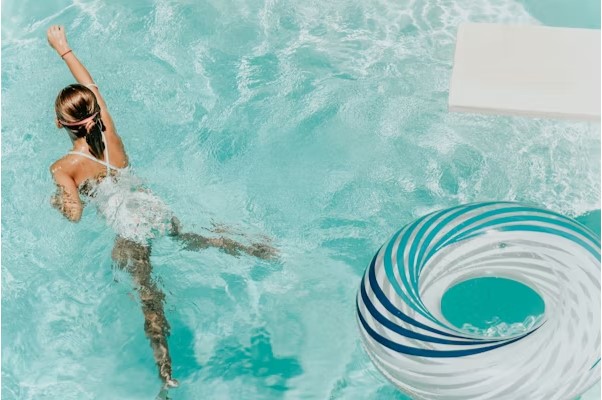
Swimming is more than a recreational skill; it is a life-saving ability that combines physical coordination, safety awareness, and confidence in the water. Whether for children, adults, or even older learners, swim lessons provide structured training that transforms uncertainty in water into control and competence. In environments where water is present—pools, beaches, lakes, or even accidental exposure—knowing how to swim can make a critical difference.
Learning through proper instruction ensures that skills are developed safely, gradually, and correctly, reducing risks while building lifelong confidence.
Water Safety and Drowning Prevention
One of the most important reasons to take swim lessons is water safety. Drowning remains one of the leading causes of accidental injury-related death worldwide, particularly among children. Many of these incidents occur quickly and silently, often when individuals overestimate their ability or panic in water.
Swim lessons teach essential survival skills such as floating, treading water, controlled breathing, and safe entry and exit techniques. These abilities significantly reduce the risk of panic in emergency situations and improve the chances of self-rescue or assisting others safely.
Building Confidence in the Water
Fear of water is common, especially among beginners or individuals who have had limited exposure to swimming environments. Structured swim lessons help gradually reduce this fear by introducing controlled, supportive experiences in a safe setting.
Instructors guide learners step by step, helping them become comfortable with water depth, movement, and breathing techniques. Over time, this builds confidence, allowing individuals to relax and move more freely in aquatic environments.
Developing Essential Swimming Skills
Swimming is a technical skill that requires coordination between breathing, movement, and body positioning. Without proper instruction, individuals may develop inefficient or unsafe habits.
Swim lessons focus on teaching foundational techniques such as floating, kicking, arm strokes, and breathing rhythm. As learners progress, they are introduced to different swimming styles, including freestyle, backstroke, and breaststroke. These structured lessons ensure that skills are built correctly from the beginning.
Physical Health and Fitness Benefits
Swimming is widely recognised as one of the most effective full-body exercises. It improves cardiovascular health, strengthens muscles, increases flexibility, and enhances endurance without placing stress on joints.
Swim lessons encourage consistent movement and proper technique, making exercise more effective and safer. Because swimming is low-impact, it is suitable for individuals of all ages, including those recovering from injuries or managing physical limitations.
Improving Coordination and Mental Focus
Swimming requires coordination between the body and mind. Learners must manage breathing patterns, body alignment, and timing simultaneously. This improves overall motor skills and body awareness.
Swim lessons also help develop focus and discipline. Learning to follow instructions, practice repetition, and refine techniques builds concentration skills that can be beneficial in other areas of life, including sports and academic performance.
Safety Skills for Families and Children
For families, swim lessons provide an added layer of protection. Children who learn to swim at an early age are better prepared to handle water safely under supervision. They are also more aware of water boundaries and risks.
Parents benefit from the peace of mind that comes with knowing their children have essential water survival skills. In family settings near pools or during holidays, this knowledge can significantly reduce the risk of accidents.
Lifelong Recreational Opportunities
Swimming is not only a safety skill but also a gateway to recreational activities. From beach holidays to water sports and fitness swimming, being able to swim opens the door to a wide range of enjoyable experiences.
Swim lessons ensure that individuals can participate safely and confidently in these activities, making water-based environments more enjoyable and accessible throughout life.
Reducing Anxiety and Improving Mental Wellbeing
Water-based exercise has been linked to reduced stress levels and improved mental wellbeing. The rhythmic nature of swimming, combined with controlled breathing, can have a calming effect on the mind.
Swim lessons help individuals feel more in control, reducing anxiety associated with water environments. This sense of mastery can contribute positively to overall confidence and emotional wellbeing.