
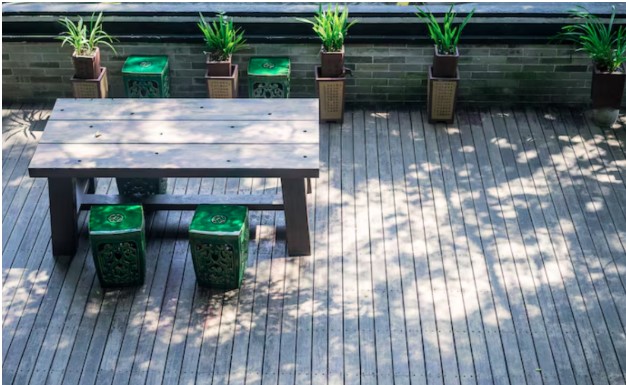
Creating a custom deck is an ideal way to enhance your property’s value and provide a seamless transition between indoor and outdoor living. Achieving a professional result requires careful planning, focusing on structural integrity, aesthetic appeal, and your specific lifestyle needs.
By mapping out how you plan to use the space, you can determine the perfect layout and size for your project. Ultimately, understanding these core principles ensures that every detail contributes to a functional, long-lasting retreat that reflects your personal style.
Prioritizing Functional Layouts
The functionality of your outdoor space is defined by its flow and layout. Consider how you will move from your house to the deck and how the various zones—such as cooking, dining, and lounging areas—interact with one another.
Effective deck building design ensures that traffic patterns are logical and unobstructed. Avoid placing furniture in ways that block doorways or stairs, as this can make the area feel cramped and difficult to navigate, regardless of its total square footage.
Selecting Durable Materials
Choosing the right materials is crucial for both the longevity and the appearance of your structure. While traditional pressure-treated wood offers a classic look, it requires regular maintenance such as staining and sealing to prevent rot.
Alternatively, composite decking has gained popularity for its durability and resistance to harsh weather conditions. When selecting materials, weigh the initial investment against the long-term maintenance requirements to ensure your choice aligns with your lifestyle and budget constraints.
Integrating Lighting and Ambiance
Lighting is often an afterthought, but it is essential for safety and nighttime usability. Incorporating low-voltage LED lights into stair risers, post caps, or perimeter railings can transform your deck into a beautiful evening retreat.
Thoughtful lighting enhances the mood while preventing accidents. Good deck building design considers these elements during the planning phase, allowing for hidden wiring and a clean, professional finish that elevates the entire experience of your outdoor area.
Ensuring Structural Integrity
Safety should always remain the top priority during construction. This involves meticulous attention to framing, ledger board attachments, and foundation footings.
Always consult local building codes to ensure your structural plans meet necessary standards. A robust foundation prevents sagging and ensures that your deck remains secure for years to come.
Professional-grade hardware and proper spacing between joists are non-negotiable elements for a safe and stable finished product.
Balancing Aesthetics and Privacy
To make your deck feel like a private oasis, consider adding elements like lattice screens, tall planters, or strategic landscaping. These additions provide a sense of enclosure and shield you from neighboring views.
The visual appeal of your deck is enhanced by harmonizing colors and textures with your home’s existing architecture. By focusing on cohesive design choices, you ensure that the addition looks like a deliberate extension of the house rather than an afterthought.
Planning for Sustainable Maintenance
Regular care is the secret to a long-lasting deck. During the process of deck building design, anticipate how easily you will be able to clean and treat surfaces in the future.
Select high-quality finishes that protect against environmental degradation. By committing to a routine of annual inspections and cleaning, you preserve the structural health of your investment.
Taking these preventative steps early on simplifies your maintenance schedule and keeps your outdoor space looking pristine throughout every season.