
Uncontrolled humidity in commercial facilities creates severe operational risks, including structural material degradation, inventory loss, and degraded indoor air quality. Standard HVAC systems focus primarily on sensible temperature reduction, often leaving latent moisture unaddressed during humid seasons or low-load operating hours. Installing dedicated industrial moisture control equipment protects building infrastructure, preserves stored goods, and ensures compliance with indoor environmental standards. You will explore practical engineering strategies for selecting and integrating commercial moisture removal systems.
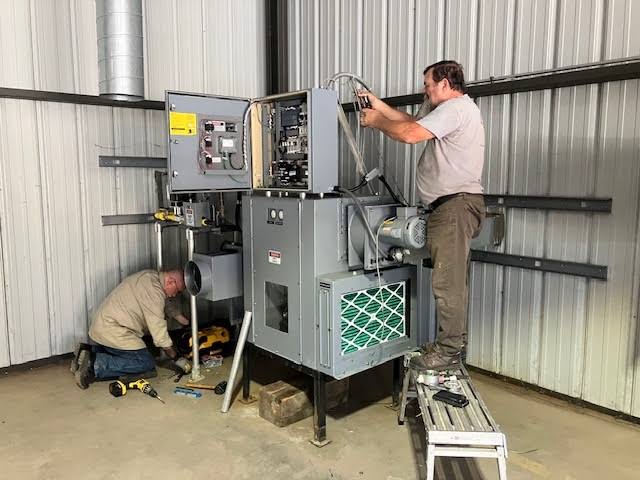
Commercial properties require specialized load calculations that account for occupancy density, fresh air ventilation rates, and localized weather conditions. Relying on generic cooling equipment to manage heavy moisture loads leads to overcooled interior spaces and excessive energy consumption. Professional dehumidifier installation Sandersville, GA provides facility owners with engineered moisture management systems designed to handle high ambient humidity levels without overcooling indoor work environments.
Desiccant and Refrigerant Dehumidification Technologies
Commercial facilities generally utilize two distinct moisture removal technologies based on operating temperatures and target humidity thresholds. Refrigerant-based commercial systems pass humid air over cold evaporator coils, condensing moisture into liquid runoff before reheating the dry air for discharge. This method excels in warm, high-humidity spaces like indoor pools, food storage areas, and commercial fitness centers.
Desiccant dehumidifiers utilize silica gel rotors to adsorb airborne moisture directly without requiring condensation freezing points. This mechanical design makes desiccant systems ideal for cool environments, cold storage warehouses, and industrial processing facilities where relative humidity must stay below thirty percent. Choosing between mechanical compression and desiccant wheel technologies depends entirely on facility operating temperatures and moisture removal demands.
Partnering with licensed mechanical contractors for dehumidifier installation Sandersville, GA ensures proper integration with existing commercial duct networks or dedicated distribution plenums. Expert installers evaluate static pressure resistance, condensate drainage capacity, and electrical service demands, preventing air distribution bottlenecks. Professional placement guarantees balanced airflow, preventing localized moisture pockets that encourage surface mold growth on stored inventory or structural framing.
Integration Strategies for Existing Mechanical Systems
Integrating dedicated dehumidification equipment into primary HVAC networks requires precise airflow balancing to prevent pressure conflicts. Dedicated outdoor air systems process incoming fresh ventilation air before it enters the building, removing latent moisture at the intake source. Pre-treating makeup air prevents outside humidity from overwhelming interior zones, allowing central cooling units to operate at higher, energy-efficient evaporator temperatures.
Return-side duct integration offers an alternative configuration where the dehumidifier draws air directly from building spaces during low cooling demand cycles. Motorized dampers direct dry air into main supply trunks, ensuring uniform moisture removal throughout the building footprint. Proper backdraft damper installation prevents short-cycling, protecting internal compressor valves and fan motors from accelerated mechanical wear.
Technical Factors in Commercial System Selection
Selecting commercial moisture control hardware requires analyzing specific building characteristics beyond simple square footage measurements. Facilities managers should evaluate these crucial mechanical and operational factors when planning an equipment upgrade:
- Total latent moisture load calculated from building occupancy, door openings, and outdoor air ventilation rates.
- Target relative humidity requirements needed to safeguard inventory, machinery, or structural building materials.
- Operating ambient temperature ranges inside the facility to select between refrigerant or desiccant technologies.
- Condensate management options, including gravity drain lines, condensate pumps, or external drainage runs.
- Electrical infrastructure capacity, including voltage requirements, dedicated circuit breakers, and control integration options.
System Maintenance and Continuous Performance Calibration
Long-term reliability depends on routine maintenance protocols designed to preserve coil cleanliness and drainage efficiency. Commercial air filters require regular inspection and replacement to prevent dust buildup on delicate heat exchangers or desiccant media. Accumulated debris reduces airflow velocity, forcing system blowers to work harder while lowering total pints-per-day moisture extraction rates.
Calibrating digital humidistats and environmental sensors ensures equipment engages precisely when relative humidity exceeds target thresholds. Inspecting condensate pans, drain traps, and float safety switches prevents unexpected water overflows that can damage ceiling tiles or electrical panels. Systematic seasonal service preserves mechanical components, lowers monthly energy costs, and maintains stable indoor humidity year-round.
Implementing an engineered commercial moisture control strategy protects physical assets, lowers operating costs, and safeguards worker productivity. Proper equipment selection, duct integration, and routine maintenance prevent structural damage caused by excessive humidity. Taking a proactive approach to commercial indoor climate management secures long-term property value and ensures healthy, comfortable indoor spaces for every occupant.
Control Commercial Humidity
Installing dedicated commercial dehumidification solutions protects your facility infrastructure, preserves valuable inventory, and secures optimal indoor air quality. Evaluating moisture loads, selecting correct equipment technologies, and executing precise mechanical integration prevents costly moisture-related operational disruptions. Take charge of your building’s environment today by consulting a qualified commercial climate specialist to design a customized moisture control solution.