
Rwanda has built one of Africa’s most refined high-end safari offerings. It is a small, safe and well-organised country, and its signature attraction is the mountain gorilla. Around that single experience, a luxury circuit has grown up that combines design-led lodges, private guiding, helicopter and charter access, and conservation that visibly works.
This guide explains what a luxury Rwanda safari involves, where you go, what it costs, when to travel and how to plan it well.
Why Rwanda Suits a Luxury Safari
Compact geography. Rwanda is roughly the size of Wales. Volcanoes National Park, Nyungwe Forest, Lake Kivu and Akagera National Park can all be linked in a single trip without exhausting transfers, and charter flights and private vehicles shorten distances further.
A premium, low-volume model. The government sets a high gorilla permit price, which limits visitor numbers, funds conservation and supports local communities. The result is a quieter experience than in many safari destinations.
Safety and efficiency. Rwanda is widely regarded as clean, orderly and secure. Kigali has modern hotels, restaurants and a growing cultural scene, so arrival and departure days feel comfortable rather than stressful.
Genuine conservation credibility. Mountain gorilla numbers have grown over past decades, and Akagera has seen lions and black rhinos reintroduced. Travellers can see conservation outcomes rather than just hear about them.
The Core Experience: Gorilla Trekking in Volcanoes National Park
The centrepiece of any luxury Rwanda safari is a gorilla trek in Volcanoes National Park, set among the Virunga volcanoes in the northwest. The park is about a three-hour drive from Kigali, and the permit costs USD 1,500 per person, set by the Rwanda Development Board, a price reported to hold steady for 2026/2027.
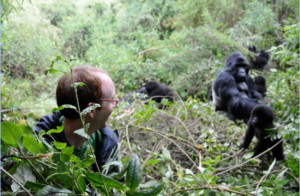
A standard permit gives you one hour with a habituated family, in groups of up to eight visitors. The trek can last from under an hour to several, over steep, muddy ground at altitude. Luxury travellers typically mitigate the physical demands in these ways:
- Private guides and early briefing arrangements to match you with a family that suits your fitness and photography goals.
- Porters to carry gear and assist on difficult sections.
- Lodge-prepared picnics, hot towels and post-trek massages on your return.
- The helicopter transfers from Kigali to the volcano region, which turns a three-hour drive into a short flight.
Some operators also pair gorillas with a second activity such as golden monkey tracking, a hike to Dian Fossey’s grave site, or a visit to a cultural village.
Luxury Lodges Near the Gorillas
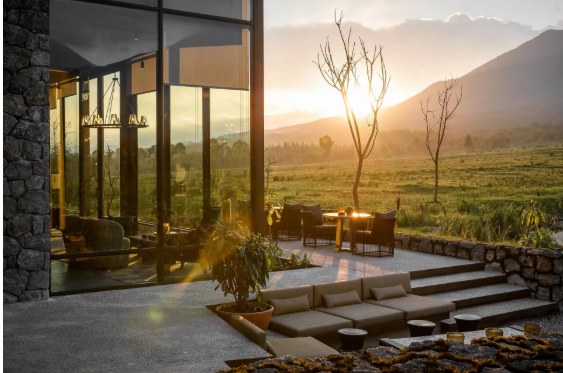
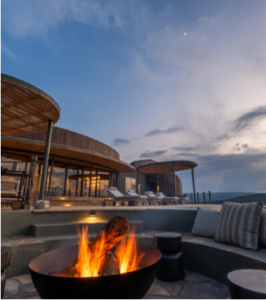
The accommodation is a major reason travellers choose Rwanda. Properties near Volcanoes National Park are among the most sought after in Africa, and typically combine architecture inspired by local culture with large private suites, fireplaces, personal butlers and views of the volcanoes.
Well-known examples include Bisate Lodge, Singita Kwitonda Lodge and One&Only Gorilla’s Nest. Each offers a distinct style, from sculpted, nest-like villas to contemporary, nature-integrated suites. Reported 2026 pricing suggests that luxury lodges run from about $1,200 to $3,500 or more per night, with mid-range lodges at $300 to $600 per night, full board. Rates vary by season and by what is included, so ask whether activities, drinks and transfers are bundled.
Beyond the Gorillas: Building a Complete Luxury Itinerary
Nyungwe Forest National Park
One of Africa’s oldest montane rainforests, Nyungwe offers chimpanzee tracking, colobus monkey troops, a canopy walkway above the treetops and exceptional birdwatching. Luxury accommodation here is limited but excellent, with high-end lodges set among tea plantations and forest edges. It adds a very different texture to a trip dominated by volcano scenery.
Akagera National Park
Akagera is Rwanda’s savannah park in the east, and it completes the picture. Following reintroductions of lions and black rhinos, the park now offers a credible Big Five-style experience, alongside giraffes, zebras, hippos, elephants and extensive birdlife. High-end camps offer private game drives, boat safaris on the lakes and sundowners on the shore. For travellers who want gorillas and classic safari scenes in the same country, Akagera is the logical addition.
Lake Kivu
Rwanda’s western border lake provides the ideal wind-down. Boutique hotels and lakeside lodges offer kayaking, boat trips, spa treatments and relaxed dining. A few days here after gorilla trekking and a game-drive stretch gives the itinerary a restful close.
Kigali
The capital deserves a night or two at either end of the trip. Visit the Kigali Genocide Memorial for historical context, explore local art galleries and craft markets, and enjoy the city’s growing restaurant scene. Luxury hotels here offer a comfortable base and quick access to the airport.
Sample Luxury Itinerary: 7 Days
Day 1: Kigali. Arrive and settle into a high-end city hotel. Evening briefing and dinner.
Day 2: Volcanoes region. Helicopter or private road transfer to your gorilla lodge. Afternoon at leisure.
Day 3: Gorilla trek. Track your assigned family, followed by a spa treatment and dinner.
Day 4: Golden monkeys or cultural visit. Then a transfer toward Lake Kivu or Nyungwe.
Day 5: Nyungwe. Chimpanzee tracking or canopy walk, depending on interests.
Day 6: Akagera or Kivu. Fly or drive onward for game drives and boat safaris, or relax by the lake.
Day 7: Return to Kigali for departure.
Itineraries can be expanded to ten or twelve days by adding more time in Akagera, a second gorilla trek or a longer lakeside stay.
Costs and Budgeting
A luxury Rwanda safari is a premium purchase. The main components are:
- Gorilla permit: $1,500 per person for foreign non-residents, for each trek.
- Luxury lodging: commonly several hundred to several thousand dollars per person per night, depending on lodge and season.
- Transfers: private vehicles with guides, or charter flights and helicopters, which add substantial cost.
- Activities and fees: park fees, chimpanzee permits and guided excursions.
- Extras: tips for guides, trackers, porters and lodge staff, plus travel insurance.
Overall, expect a one-week itinerary to run well above typical mid-range safari budgets, with total costs depending heavily on lodge choice and whether you charter. Rwanda is not a budget destination, but travellers generally cite exclusivity, service and conservation impact as the value. Ask for a fully itemised quote, and confirm current tariffs, because gorilla trekking rules and prices can change between tariff periods. Some sources also mention discounted permit pricing for certain low-season months, and one reports that a discount of $1,050 per permit applies in a stated low-season window, but this has been described as a discrepancy rather than a confirmed standard, so verify directly before relying on it.
Best Time to Visit
Rwanda has two dry seasons: roughly June to September and December to February. These are the most comfortable periods for trekking and game viewing, with firmer trails and clearer skies, and also the busiest and priciest. The wetter months, around March to May and October to November, bring greener landscapes, quieter parks and sometimes better lodge rates, though trails can be slippery. Gorillas can be trekked year-round.
Book gorilla permits and top lodges well ahead for dry-season travel, since the best properties have very few rooms and fill early.
Preparing for Your Trip
- Fitness: Prepare with hill walking and stair training. Treks can be demanding even with a porter.
- Clothing: Pack layers, long trousers, long sleeves, waterproof outerwear, sturdy boots and gloves. Evenings at altitude can be cool.
- Health: Consult a travel clinic about vaccinations and malaria prevention. Carry insurance that includes medical evacuation.
- Gorilla rules: Keep about seven metres’ distance, avoid flash, stay home if you are sick and follow your guide’s instructions. The minimum age to trek is generally 15.
- Responsible travel: Rwanda bans single-use plastic bags, and communities near the parks benefit from tourism revenue, so respect local customs and consider supporting community projects.
Conclusion
A luxury Rwanda safari combines one of the world’s great wildlife encounters with comfort, privacy and well-managed conservation. The mountain gorillas remain the highlight, but the surrounding mix of montane rainforest, savannah, a restful lake and a modern capital makes the country a complete destination. It is a premium experience with a premium price, yet it rewards careful planning. Choose your season, secure permits and top lodges early, work with an experienced operator and build in enough days to enjoy more than just the trek. Done well, a luxury Rwanda safari is a journey that is as comfortable as it is memorable.
Key Takeaways
- Rwanda’s compact size, safety and quality infrastructure make it ideal for luxury safaris.
- The gorilla permit costs $1,500 per person for foreign non-residents, and it is a core cost.
- Top lodges near Volcanoes National Park, such as Bisate, Singita Kwitonda and One&Only Gorilla’s Nest, offer exceptional design and service. Luxury rates reported in 2026 run from roughly $1,200 to $3,500+ per night.
- Pair gorillas with Nyungwe (chimpanzees and canopy walkway), Akagera (savannah wildlife) and Lake Kivu (relaxation).
- Dry seasons (June–September, December–February) are easiest but busiest. Book early.
- Helicopters and private charters save time but raise costs.
- Verify current tariffs and rules with the Rwanda Development Board or your operator.
Frequently Asked Questions
- How much does a luxury Rwanda safari cost?
Costs vary widely by lodge and transport, but permits alone are $1,500 per person, and luxury lodges can run from about $1,200 to $3,500+ per night. A week-long trip is a substantial investment. - How long should a luxury Rwanda safari be?
Five to seven days covers gorillas plus one additional destination. Eight to twelve days allows Nyungwe, Akagera and Lake Kivu without rushing. - Is Rwanda safe for travellers?
Rwanda is widely regarded as one of Africa’s safer and better-organised destinations. As always, check current government travel advice before departure. - What is the best time to go?
June to September and December to February are the main dry seasons. March to May and October to November are greener and quieter. - Can I see the Big Five in Rwanda?
Akagera National Park has lions, rhinos, elephants, buffalo and leopards, though sightings, particularly of leopards, are less guaranteed than in larger parks. - How long do I spend with the gorillas?
One hour with a habituated family on a standard permit. - Do I need to be very fit?
Moderate fitness is recommended. Treks range from easy to strenuous, and porters and guides help. - Can I take a helicopter to the gorilla region?
Yes, many operators arrange helicopter or charter transfers between Kigali and the Volcanoes region, as well as other parks. - What is the minimum age for gorilla trekking?
Generally 15 years. - Is it better to combine Rwanda with Uganda?
Some travellers do, to compare gorilla experiences or add chimpanzees and savannah parks. Rwanda alone is sufficient for a complete luxury trip.