
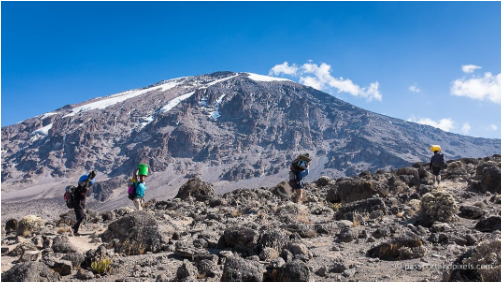
Mount Kilimanjaro occupies a singular place in the world of adventure travel. It is the highest peak on the African continent, the tallest free-standing mountain on Earth, and one of the most coveted trekking destinations in the world — a place where ordinary people achieve extraordinary things every single day. Unlike the technical ascents required on other iconic peaks, Kilimanjaro is accessible to any fit, well-prepared individual who chooses the right tour, follows expert guidance, and approaches the mountain with patience and respect.
The phrase “Kilimanjaro hiking tours” encompasses an enormous spectrum of experiences — from budget group expeditions sharing campsites with dozens of other trekkers to intimate private journeys with dedicated guide teams, tailored itineraries, and luxury lodge accommodation at the mountain’s base. Between these extremes lies every conceivable variation of duration, route, group size, service level, and post-trek extension. The sheer range of options available makes choosing the right Kilimanjaro hiking tour one of the most important — and most frequently overwhelming — decisions in African adventure travel planning.
This comprehensive guide cuts through the complexity. It explains the different types of Kilimanjaro tours, what to look for in a reputable operator, how tour structures work on the mountain, what your investment actually covers, and how to position your Kilimanjaro hiking tour within a broader Tanzania travel experience that could include a world-class safari or a beach retreat on Zanzibar. By the time you finish reading, the path forward — both literally and figuratively — will be clear.
What a Kilimanjaro Hiking Tour Actually Includes
Understanding what is and is not included in a Kilimanjaro hiking tour package is the essential starting point for any planning conversation. Tour packages vary significantly in scope, but a comprehensive, reputable tour should include the following components as standard.
Park fees and permits represent the largest single cost component of any Kilimanjaro tour. Tanzania National Parks (TANAPA) charges entrance fees, camping or hut fees, rescue fees, and conservation levies for every trekker on the mountain. These fees are mandatory and non-negotiable, and they vary by route and itinerary length. Any operator quoting a suspiciously low price for a Kilimanjaro tour should be questioned carefully about whether park fees are genuinely included — in some cases, budget operators exclude them from headline prices to appear more competitive.
Professional licensed guides and assistant guides are legally required for all Kilimanjaro trekkers within the national park. A lead guide holds full responsibility for the team’s safety, pacing, health monitoring, and decision-making on the mountain. In larger groups, assistant guides support the lead guide and ensure no trekker is left behind. The quality, experience, and communication skills of the guiding team are among the most consequential variables in any Kilimanjaro tour experience.
A certified mountain cook and full meals are standard on most reputable tours. Mountain cooking on Kilimanjaro — managing fuel, water, hygiene, and nutrition at altitude across seven to nine days — is a skilled and underappreciated art. Three meals per day, plus morning and afternoon tea, snacks, and adequate hydration support are the standard for quality operators. Nutrition at altitude is genuinely important: trekkers who eat well acclimatize better and maintain the energy reserves needed for the summit push.
A porter team carries camp equipment, food, and the operator-provided gear — typically up to a maximum of 20 kilograms per porter as mandated by the Kilimanjaro Porters Assistance Project (KPAP) guidelines, which exist to protect porter welfare on the mountain. Trekkers carry only their personal daypack. A well-staffed tour allocates an appropriate number of porters so that no individual carries an unsafe or excessive load.
Tents and camping equipment on non-Marangu routes, or hut accommodation on the Marangu Route, are provided by the operator. The quality of sleeping tents, sleeping pads, and dining tents varies considerably between budget and premium operators — a meaningful consideration for comfort and warmth at high-altitude camps where temperatures regularly drop below freezing overnight.
Safety equipment — including pulse oximeters for daily health monitoring, a portable hyperbaric Gamow bag for altitude emergency management, a comprehensive first aid kit, and emergency oxygen on premium tours — distinguishes safety-focused operators from those who treat these items as optional extras.
Types of Kilimanjaro Hiking Tours
Group Tours
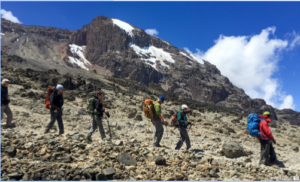
Group tours are the most common and most affordable structure for Kilimanjaro trekking. They bring together a fixed number of trekkers — typically between four and twelve — who share the same route, itinerary, camp, guide team, and dining arrangements. The social dimension of group climbing is a genuine asset: the camaraderie forged over seven or eight days on the mountain, the shared encouragement during difficult sections, and the collective celebration at the summit create bonds that many trekkers describe as among the most meaningful of their lives.
Group tours are typically scheduled on fixed departure dates throughout the calendar year, allowing individuals and couples to join without needing to assemble a private party. They represent excellent value because the substantial fixed costs of guide fees, cook fees, park concession arrangements, and equipment are divided across multiple participants. For solo travelers and first-time trekkers, a well-run group tour on the Machame or Lemosho route provides a complete, professionally supported, and socially rewarding Kilimanjaro experience.
Private Tours
Private Kilimanjaro tours offer an entirely personalized experience — the guide team, itinerary, pace, and campsite arrangements are dedicated exclusively to a single client or group traveling together. Private tours are ideal for families, corporate groups, couples celebrating significant occasions, or individuals who prefer the intimacy and flexibility of having guides wholly focused on their personal progress and wellbeing.
Private tours also allow for greater flexibility in itinerary customization — adjusting rest day placement, modifying daily distances, or incorporating specific acclimatization activities in response to how individual trekkers are responding to the altitude. They carry a higher per-person cost than group tours, but for the right traveler, the enhanced experience, deeper guide-trekker relationship, and tailored support represent outstanding value.
Luxury Kilimanjaro Tours
Luxury Kilimanjaro tours have transformed what was once a purely functional camping experience into something approaching a high-end expedition. Premium operators now offer private standing tents with proper beds and linen, solar-powered lighting systems at camp, gourmet mountain menus prepared by professional chefs, private toilet tents, and pre- and post-trek accommodation at some of the finest lodges in the Kilimanjaro region — including properties with extraordinary mountain views perched on Kilimanjaro’s fertile lower slopes.
Luxury tours retain all the fundamental challenges of high-altitude trekking — the altitude, the cold, the demand of the summit push — but surround the experience with a level of comfort, cuisine, and personal attention that makes the entire journey profoundly more enjoyable. For trekkers who want the achievement of Kilimanjaro without sacrificing the quality of their daily experience, a luxury tour is a compelling and increasingly popular choice.
Combined Safari and Kilimanjaro Tours
One of the most sought-after offerings in Tanzanian adventure travel is the combined Kilimanjaro trek and Northern Circuit safari — a two-part journey that delivers both the summit of Africa and the plains of the Serengeti in a single, seamlessly organized trip. These combined tours typically begin with the Kilimanjaro climb, followed by a post-summit safari through Serengeti National Park, Ngorongoro Crater, Tarangire, and Lake Manyara, before concluding with a beach extension on Zanzibar.
The logical flow of this itinerary — physical challenge first, then the gentle rhythm of game drives and ocean relaxation — makes it one of the most satisfying travel experiences available anywhere in the world. The mountain, the plains, and the sea: three completely different faces of Tanzania, experienced in meaningful depth within a single unforgettable journey.
How to Choose a Reputable Kilimanjaro Tour Operator
The choice of operator is the most consequential decision in the entire Kilimanjaro planning process. The mountain does not forgive poor logistics, inadequate safety protocols, or undertrained guides. Here is what to evaluate when assessing operators.
Kilimanjaro Porters Assistance Project (KPAP) Partnership is one of the most reliable markers of ethical and responsible operation. KPAP is an independent organization that monitors porter treatment on Kilimanjaro — verifying weight limits, clothing provision, food, accommodation, and fair wages. Operators who are KPAP partners have been assessed and certified as meeting these standards. Choosing a KPAP partner ensures that the human infrastructure supporting your climb is being treated with the dignity and fairness it deserves.
Registration with the Tanzania Tourist Board (TTB) and licensing by Tanzania National Parks are baseline regulatory requirements. Any operator inviting you to book a Kilimanjaro climb should be able to provide registration and licensing documentation on request. Operating without these credentials is illegal and signals a serious lack of accountability.
Transparent and detailed inclusions — clearly documented park fees, staff ratios, safety equipment lists, meal plans, and equipment specifications — distinguish professional operators from those who obscure costs and quality to win bookings at the lowest apparent price.
Summit success rates and independent client reviews across multiple platforms — including TripAdvisor, Google, and dedicated adventure travel forums — provide real-world evidence of consistent performance. Look for patterns in reviews: guides named specifically by trekkers, comments on safety protocols, observations about food quality and camp setup, and honest accounts of how operators handled challenges on the mountain.
Staff-to-trekker ratios matter enormously on Kilimanjaro. A lead guide managing eight trekkers without adequate assistant guide support is stretched dangerously thin at altitude. Look for operators who provide at minimum one assistant guide for every three to four trekkers, alongside a dedicated cook and a properly sized porter team.
What to Expect Day by Day on a Kilimanjaro Hiking Tour
While the specific daily experience varies by route, a Kilimanjaro hiking tour follows a consistent and deeply satisfying overall rhythm. Days begin early — typically with a morning health check using a pulse oximeter, hot tea or coffee, and a cooked breakfast before the day’s hiking starts. Hiking generally runs from approximately 6:00 or 7:00 AM until early to mid-afternoon, covering between five and fourteen kilometers depending on the day and route section.
Arriving at camp in the early afternoon provides valuable rest time — allowing the body to recover, the appetite to reassert itself, and the mind to absorb the extraordinary landscapes traversed. Afternoon tea and snacks bridge the gap to dinner, which is served in the dining tent or dining hut in the early evening. Guides deliver a team briefing each evening covering the following day’s route, distance, elevation gain, and any relevant safety considerations.
Sleep at altitude is rarely as restorative as sleep at sea level. Disrupted sleep, vivid dreams, and frequent waking are common from the third night onward — a normal physiological response to reduced oxygen availability rather than a sign of anything wrong. Rest, even if not deeply refreshing, remains valuable and should be prioritized.
Summit night — departing between midnight and 1:00 AM from high camp — is the defining experience of the entire tour. The hours-long ascent in darkness, intense cold, and thin air toward the crater rim, followed by the sunrise over the African continent from Uhuru Peak, is an experience that transcends all description and all expectation. It is the moment toward which every day of planning, preparation, training, and effort has been building — and it delivers completely.
Key Takeaways
- A comprehensive Kilimanjaro hiking tour should include park fees, licensed guides, assistant guides, a mountain cook, a porter team, all meals, camping or hut accommodation, and essential safety equipment as genuine standard inclusions.
- Group tours offer excellent value and a rich social experience, making them ideal for solo travelers and first-time trekkers seeking a complete, professionally supported ascent.
- Private tours deliver personalized pacing, fully dedicated guide attention, and itinerary flexibility — ideal for families, couples, and groups with specific needs or preferences.
- Luxury Kilimanjaro tours combine the full high-altitude challenge with premium camp comfort, gourmet mountain cuisine, and exceptional pre- and post-trek lodge accommodation.
- Combined Kilimanjaro, safari, and Zanzibar itineraries represent one of the most complete and deeply satisfying travel experiences available in Africa — mountain, wildlife, and ocean woven into a single seamless journey.
- KPAP partnership is the single most reliable independent indicator of an ethical, responsible, and well-managed Kilimanjaro tour operator — always prioritize KPAP-affiliated operators.
- Staff-to-trekker ratios are a critical quality and safety indicator — look for a minimum of one assistant guide per three to four trekkers, plus a dedicated cook and an adequately sized porter team.
- Summit success rates and detailed independent reviews across multiple platforms provide the most reliable real-world evidence of consistent operator performance and guide quality.
- Budget operators who exclude park fees from headline prices are among the most common pricing deceptions in Kilimanjaro tour marketing — always verify precisely what is included before comparing quotes.
- Summit night — the midnight ascent to Uhuru Peak — is the defining moment of every Kilimanjaro hiking tour and the experience around which all planning, preparation, and investment ultimately converges.
Frequently Asked Questions (Q&A)
Q: How much does a Kilimanjaro hiking tour typically cost?
A: Kilimanjaro tour pricing varies significantly by route, duration, group size, service level, and operator quality. As a general guideline, budget group tours on the Marangu or Machame routes typically range from USD 1,500 to USD 2,500 per person for a six-to-seven-day itinerary. Mid-range tours with stronger guide ratios, better equipment, and more comprehensive inclusions generally fall between USD 2,500 and USD 4,000 per person. Luxury private tours range from USD 4,000 to USD 8,000 or more per person depending on the level of comfort and personalization. Park fees paid directly to TANAPA typically account for USD 700 to USD 900 of any tour’s total cost on a seven-day itinerary.
Q: How large are typical group tours on Kilimanjaro?
A: Group sizes on scheduled departure tours typically range from four to twelve trekkers. Most experienced operators cap their groups at eight to ten participants under a single guiding team to ensure adequate individual attention and robust safety management. Groups larger than twelve sharing a single lead guide are generally a quality concern worth questioning carefully before confirming any booking.
Q: What is the practical difference between a budget and a mid-range Kilimanjaro tour?
A: The differences manifest across multiple dimensions simultaneously. Budget tours typically deploy older or lower-quality camping equipment, apply higher trekker-to-guide ratios, provide simpler meals with less nutritional planning for altitude performance, may carry Gamow Bags and pulse oximeters only as paid add-ons, and may employ less experienced guides with limited English communication skills. Mid-range and premium tours invest in quality tents and sleeping infrastructure, maintain lower trekker-to-guide ratios, provide nutritionally planned menus, carry comprehensive safety equipment as standard, and deploy senior guides with strong communication skills and verified summit success track records.
Q: Can solo travelers join a Kilimanjaro group tour?
A: Absolutely — and solo travelers represent a significant proportion of all Kilimanjaro trekkers. Scheduled group departure tours are specifically designed to accommodate individuals joining from diverse backgrounds and countries. The group dynamic that develops over seven or eight days on the mountain is frequently cited by solo trekkers as one of the most unexpectedly rewarding dimensions of the experience, regularly creating genuine friendships that extend far beyond the trek itself.
Q: Is tipping included in Kilimanjaro tour packages?
A: Tips for guides, assistant guides, cooks, and porters are never included in tour packages and are always paid separately at the conclusion of the trek. Tipping is both culturally important and financially significant for all mountain staff. Widely accepted guidelines suggest approximately USD 20–25 per day for the lead guide, USD 10–15 per day for assistant guides, USD 8–10 per day for the cook, and USD 5–8 per day per porter. These amounts are distributed collectively at a farewell ceremony at the park gate — accompanied by traditional songs and genuine celebration — and represent one of the most emotionally memorable moments of any Kilimanjaro hiking tour.
Q: How do I verify that a Kilimanjaro tour operator is legitimate and safe?
A: Confirm that the operator holds a current license from Tanzania National Parks and is registered with the Tanzania Tourist Board. Check for active KPAP partnership status as an indicator of ethical porter treatment standards. Read independent reviews on multiple platforms, looking specifically for consistent comments about guide quality, safety protocols, equipment standards, and how the operator responded to challenges. Request a detailed and itemized inclusions list that explicitly specifies park fees, guide and porter ratios, safety equipment, and meal plans. Legitimate, professional operators are transparent, responsive, and readily provide documentation. Operators who are evasive about costs, vague about inclusions, or priced significantly below market norms without clear justification should be approached with significant caution.
Q: How far in advance should I book a Kilimanjaro hiking tour?
A: During the peak season months of July, August, and September, booking four to six months in advance is strongly recommended for popular routes such as Machame and Lemosho, as both permit allocations and quality operators fill quickly. During shoulder and low seasons — October through early December, and January through early March — more flexibility exists, though booking two to three months ahead remains advisable to secure preferred dates, routes, and guide team assignments.
Conclusion
A Kilimanjaro hiking tour is one of the most complete and deeply satisfying adventures available anywhere in the world. It combines physical challenge with extraordinary natural beauty, cultural richness with personal transformation, and the universal human desire to reach a great summit with the profound joy of sharing that journey with others. No two Kilimanjaro tours are identical — the combination of route, season, group, weather, and individual experience ensures that every ascent carries its own unique character and its own irreplaceable moments.
What every great Kilimanjaro tour shares, regardless of route or price level, is the quality of its human foundation — the guides who know every meter of the trail, the cooks who fuel the team’s daily ascent, the porters whose strength and dedication make the entire expedition possible, and the operators whose commitment to safety and excellence shapes the experience from the first inquiry through to the final descent certificate. Investing wisely in this human foundation is the single most important decision any Kilimanjaro trekker makes in the planning process.
For those ready to take that first step toward Uhuru Peak, Tanzania Migration Safaris & Travel offers Kilimanjaro hiking tours designed with deep local knowledge, genuine passion for the mountain, and an unwavering commitment to both trekker safety and outstanding experience. Whether you are drawn to the popular drama of the Machame Route, the scenic grandeur of Lemosho, the wilderness solitude of the Northern Circuit, or a combined mountain-safari-beach journey capturing the full magnificence of Tanzania in a single trip, we are here to make your Kilimanjaro adventure everything it has the potential to be.