
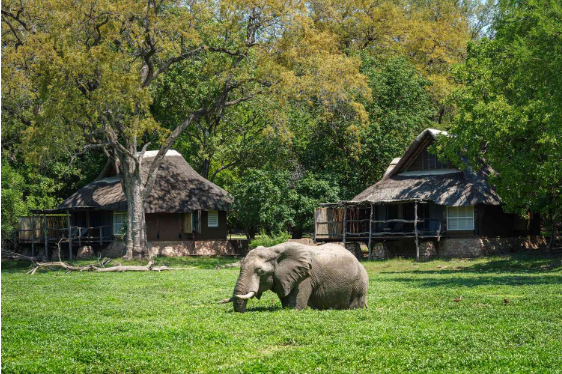
Tanzania is one of the world’s premier safari destinations — home to the Great Migration, the Ngorongoro Crater, and some of Africa’s most biodiverse national parks. But the quality of your experience depends less on where you go and more on who takes you there. Your Tanzania safari company is the single most important decision you will make in planning your trip. The right operator transforms a good holiday into a life-defining journey. The wrong one can turn the Serengeti’s magic into a frustrating, overpriced disappointment. This guide gives you everything you need to choose with confidence.
Why Your Choice of Safari Company Matters So Much
Many first-time safari travelers assume that Tanzania’s parks essentially sell themselves — that the wildlife is so spectacular that any operator will deliver a great trip. This is a costly misconception.
The difference between an average safari company and an exceptional one shows up in dozens of ways: the depth of knowledge your guide brings to each sighting, the condition of your vehicle when you need it most, the quality of food at a remote bush camp, how swiftly a company responds when a flight is delayed or a road washes out. These details are invisible when browsing a website but define the experience you actually have on the ground.
Tanzania’s safari industry is enormous and ranges from world-class specialist operators with decades of expertise to unregistered middlemen who resell other companies’ services at inflated prices. The industry is regulated — but regulation alone does not guarantee quality. Informed selection is your most powerful tool.
Types of Tanzania Safari Companies
Understanding the structure of the safari industry helps you make smarter choices and, often, save money.
International Tour Operators and Booking Platforms
Large international travel companies and online booking platforms aggregate safaris from multiple ground operators and sell them to a global audience. They offer convenience, broad selection, and the reassurance of familiar brand names. However, they typically add a significant margin — sometimes 20–40% — on top of the ground operator’s price, and communication can be less personal than dealing directly with a specialist.
These platforms work well for travelers who want a curated shortlist with vetted options and prefer the security of a large company behind their booking.
Specialist Safari Outfitters
Specialist outfitters focus exclusively on African safari travel and often have deep, long-standing relationships with specific ground operators, lodges, and guides in Tanzania. Many employ consultants who have made dozens of trips to Tanzania and can provide genuinely personalised advice on parks, timing, and accommodation.
Booking through a reputable specialist often delivers better value than a general platform because their buying power with ground operators and lodges can offset their margin. More importantly, their expertise can save you from expensive mistakes.
Local Tanzanian Ground Operators
Local ground operators are based in Tanzania — typically in Arusha, the safari capital — and run the actual vehicles, guides, and camp logistics on the ground. Booking directly with a quality local operator removes intermediary margins and often provides the most authentic and personalised safari experience.
The best local operators are deeply invested in their country’s conservation and community development. Many are family-owned businesses where the founder’s personal standards and passion for Tanzania are embedded in every trip they run.
The key caveat: not all local operators are equal. The barrier to entry in Tanzania’s safari industry, while regulated, is not prohibitively high. Due diligence is essential, and TATO registration is your baseline check.
Budget and Camping Safari Operators
A distinct tier of operators specialises in budget and mid-range camping safaris, targeting backpackers and cost-conscious travelers. These companies use public campsites, prepare food in the field, and share costs across small groups. Quality varies widely in this segment — the best budget operators deliver excellent value; the worst cut corners on vehicle maintenance, guide quality, and park fee compliance.
What to Look For in a Tanzania Safari Company
TATO Registration and Licensing
The Tanzania Association of Tour Operators is the industry’s primary professional body. Membership requires operators to meet minimum standards of licensing, insurance, and professional conduct. Always verify TATO membership on the association’s official website before committing any deposit.
Additionally, operators must hold a valid licence from the Tanzania Tourism Authority (TTA). Legitimate companies display their licence numbers on their websites and documentation. If you cannot verify either credential, walk away.
Guide Quality and Certification
Your guide is your gateway to Tanzania’s wilderness. An exceptional guide does not simply drive you to animals — they read the landscape, anticipate wildlife behaviour, explain ecological relationships, and transform a game drive into a living education. They also keep you safe and manage logistics calmly when things go differently than planned.
Look for guides who hold Tanzania Wildlife Management Authority (TWMA) certification. The best guides have 10 or more years of field experience, speak fluent English (and ideally other languages), and have a personal passion for natural history and conservation that comes through in everything they do.
Ask your prospective operator directly: Who will be our guide? What is their experience and certification? A company that cannot answer this clearly, or that assigns guides only after booking, is a red flag.
Vehicle Standards
Safari vehicles are your workstation in the bush. A poorly maintained vehicle — with a failing engine, no reliable charging points, cramped seating, or a stuck roof hatch — diminishes every game drive. The standard vehicle for Tanzanian safaris is the Toyota Land Cruiser, preferred for its reliability, high clearance, and spacious roof hatches for wildlife viewing and photography.
Ask operators about their fleet age, maintenance schedule, and maximum passengers per vehicle. Six passengers is generally considered the maximum for a comfortable safari experience. Private vehicles — just your group and your guide — are the gold standard and should be the default for any custom itinerary.
Transparency and Communication
The booking process reveals a great deal about how a company operates. Reputable operators respond promptly and thoroughly to enquiries, provide fully itemised quotes that specify exactly what is and is not included, and are proactive in explaining visa requirements, health precautions, and packing lists.
Vague pricing, reluctance to specify which lodges will be used, or evasiveness about guide credentials are all warning signs. A trustworthy company treats your questions as opportunities to build confidence, not obstacles to closing a sale.
Ethical and Sustainable Practices
Tanzania’s wildlife and wild places are under constant pressure from poaching, habitat loss, and irresponsible tourism. The safari company you choose either contributes to conservation or undermines it — there is no neutral ground.
Ethical operators adhere to responsible wildlife viewing guidelines: maintaining respectful distances from animals, never encouraging off-road driving in restricted areas, and refusing to bribe rangers or circumvent park regulations for closer encounters. They invest meaningfully in local communities — employing local guides and staff, sourcing food from local suppliers, and supporting community-based conservation initiatives.
Ask potential operators about their sustainability policies. The best companies can point to specific projects they fund or participate in — school programmes, anti-poaching partnerships, community conservancies. Those who cannot articulate any commitment to conservation beyond vague platitudes deserve scrutiny.

Red Flags to Avoid
Knowing what to avoid is as important as knowing what to seek out. Be cautious of any Tanzania safari company that:
- Offers prices significantly below market rate — quality safaris have real costs; extreme discounts almost always mean hidden compromises on vehicle quality, guide training, or park fee payments.
- Cannot name your specific guide before booking — reputable companies know their teams and can introduce them by name and experience.
- Provides all-inclusive quotes without itemisation — you should know exactly what you are paying for park fees, accommodation, meals, activities, and transfers.
- Has no verifiable physical address in Tanzania — many fraudulent operators exist only as websites with no on-the-ground presence.
- Pressures you to book immediately — legitimate operators understand that a significant purchase requires time for due diligence and never manufacture artificial urgency.
- Lacks detailed, verified reviews — absence of reviews, or reviews that read as generic and unspecific, is a significant concern.
The Role of Reviews and Word-of-Mouth
In an industry where quality is so experiential and difficult to assess from a website alone, peer reviews carry enormous weight. Platforms specifically designed for safari travel — particularly SafariBookings.com — host detailed, verified reviews from real travelers and allow you to filter by park, budget, and group type.
When reading reviews, look beyond overall star ratings. Pay attention to specific mentions of guide quality — guides are named frequently in the best reviews — and to how the company handled unexpected problems. Every safari involves something unplanned; what separates great operators from mediocre ones is how they respond when things go off-script.
Personal recommendations from friends, family, or trusted travel communities (such as specialised safari forums and Facebook groups) are also invaluable. A recommendation from someone whose travel style resembles yours and who has recently visited Tanzania is worth more than any marketing material.
Questions & Answers
Q: What is the difference between a TATO-registered operator and an unregistered one? A: TATO-registered operators have met minimum standards of licensing, insurance, and professional conduct set by Tanzania’s primary tour operator association. Unregistered operators have no such accountability structure. While registration alone does not guarantee quality, it is a necessary baseline. Always verify TATO membership before paying any deposit.
Q: Is it better to book with a local Tanzanian company or an international operator? A: Both can deliver excellent experiences. Local operators often provide more personalized service, deeper cultural knowledge, and better value by eliminating intermediary margins. International operators offer convenience, broad comparisons, and sometimes additional consumer protections depending on your country of residence. The most important factor is the specific company’s reputation and the quality of their guides — not where they are headquartered.
Q: How do I verify that a safari company is legitimate? A: Check TATO membership at the official TATO website, verify their Tanzania Tourism Authority licence number, search for detailed reviews on SafariBookings and TripAdvisor, and confirm they have a verifiable physical address in Tanzania (typically Arusha). Video or phone consultations before booking also help establish legitimacy and give you a feel for the company’s expertise and communication style.
Q: What should a safari company quote include? A: A comprehensive quote should itemise accommodation (specifying the exact lodges or camps), all meals, park entry fees, game drives, ground transfers, internal flights if applicable, and guide fees. It should clearly state what is excluded — typically international flights, visas, travel insurance, tips, and personal expenses. Any quote that bundles everything into a single opaque figure without breakdown warrants further questions.
Q: How much should I tip my safari guide in Tanzania? A: Tipping is customary and forms an important part of guides’ income. The widely accepted guideline is $10–$20 USD per guest per day for your guide, and $5–$10 per guest per day for your driver if they are a separate person. For exceptional service — which the best guides consistently deliver — tipping at the higher end is appropriate and genuinely appreciated.
Q: Can a Tanzania safari company arrange everything including international flights? A: Many full-service operators can arrange international flights as part of a complete package, though you may find better fares booking independently. Most specialist operators are happy to handle all in-country logistics — internal flights, transfers, accommodation, and activities — while you book your international flights separately. Discuss your preference with your operator early in the planning process.
Q: What happens if something goes wrong during my safari? A: Reputable safari companies have crisis management protocols and 24-hour emergency contacts. Vehicle breakdowns, weather disruptions, and itinerary changes are managed as part of normal operations by experienced operators. Before booking, ask your company directly: What is your protocol if our vehicle breaks down in a remote park? The clarity and confidence of their answer tells you a great deal about their operational standards.
🔑 Key Takeaways
- Your Tanzania safari company is the most critical factor in the quality of your overall safari experience — more important than any single park or lodge.
- Always verify that your operator is registered with TATO (Tanzania Association of Tour Operators) and holds a valid Tanzania Tourism Authority licence.
- The best companies employ certified, experienced guides with Tanzania Wildlife Management Authority (TWMA) licences and deep field expertise.
- Transparency in pricing — fully itemised quotes with no hidden fees — is a hallmark of reputable operators.
- Safari companies range from international booking platforms to locally owned ground operators; understanding the difference helps you get better value.
- Ethical and sustainable practices — community benefit, anti-poaching support, and responsible wildlife viewing — should be non-negotiable criteria in your selection.
- Read detailed reviews on platforms like SafariBookings, TripAdvisor, and Trustpilot, paying close attention to guide quality, communication, and how operators handle problems.
- Avoid operators offering unusually low prices — budget-cutting almost always comes at the expense of vehicle quality, guide training, park fees, or conservation contributions.
Conclusion
Choosing the right Tanzania safari company is not merely a logistical decision — it is the foundation upon which your entire experience is built. The Serengeti does not change based on who takes you there, but your perception of it, your understanding of it, and your memories of it absolutely do. A knowledgeable, passionate, and ethical safari company turns Tanzania’s wild places into a personal encounter with something vast and ancient and real.
Do your research. Verify credentials. Read reviews with care. Ask direct questions and pay attention to how they are answered. Prioritise guide quality above almost everything else. And when you find a company that is genuinely transparent, genuinely passionate about Tanzania’s wildlife, and genuinely committed to leaving the country better than they found it — book with confidence.
The right safari company does not just take you to Africa. They bring Africa to life.