
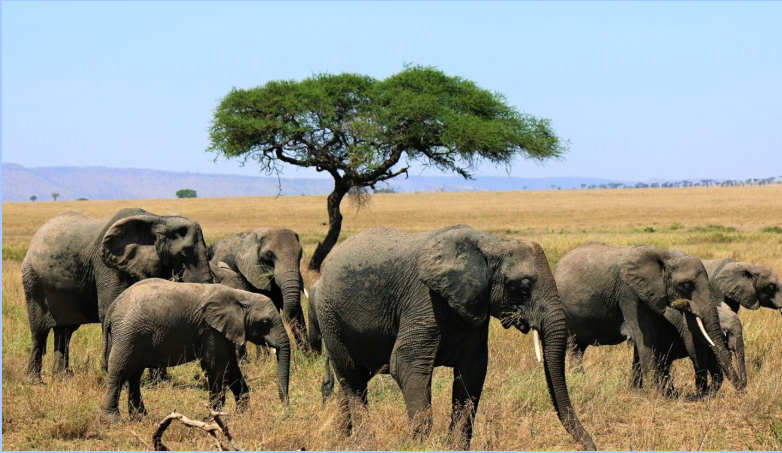
A Tanzania wildlife safari is one of the most extraordinary travel experiences in the world. Vast savannahs stretch endlessly beneath golden skies, elephants roam ancient landscapes, and predators stalk their prey across open plains. Tanzania offers some of the richest biodiversity on the African continent, making it a premier destination for travelers seeking authentic, immersive wildlife encounters.
From the legendary plains of the Serengeti to the wildlife-dense Ngorongoro Crater, a Tanzania wildlife safari delivers unforgettable moments in nature’s most dramatic settings. This comprehensive guide explores everything you need to know — from top parks and wildlife highlights to travel seasons, costs, and expert planning tips.
Why Choose Tanzania for a Wildlife Safari?
Tanzania stands out among African safari destinations for its sheer scale, ecological diversity, and relatively untouched landscapes. The country dedicates nearly 40% of its land to conservation, including national parks, game reserves, and protected areas.
Key reasons travelers choose a Tanzania wildlife safari:
- Exceptional Big Five sightings
- The Great Migration spectacle
- Vast, uncrowded landscapes
- High predator concentration
- Diverse ecosystems within one region
- Strong conservation policies
Whether you are a first-time safari traveler or a seasoned wildlife enthusiast, Tanzania offers both reliability and adventure.
Top Destinations for a Tanzania Wildlife Safari
1. Serengeti National Park
The Serengeti is synonymous with African safaris. Its endless plains host the Great Migration, where millions of wildebeest, zebras, and gazelles move in search of fresh grazing. Predator sightings — especially lions and cheetahs — are frequent due to the open terrain.
Highlights:
- Year-round wildlife viewing
- Big cat encounters
- Hot air balloon safaris
- Stunning sunrise landscapes
2. Ngorongoro Crater
This natural amphitheater is one of the best places in Africa to see the endangered black rhino. The crater’s enclosed ecosystem supports a high density of animals, making game viewing consistent and rewarding.
Highlights:
- Big Five in a single day
- Dramatic crater rim views
- Birdlife around Lake Magadi
3. Tarangire National Park
Famous for giant baobab trees and large elephant herds, Tarangire is particularly spectacular during the dry season when wildlife gathers near the Tarangire River.
Highlights:
- Elephant migrations
- Scenic landscapes
- Fewer crowds
4. Lake Manyara National Park
A compact park known for its tree-climbing lions and abundant birdlife.
Highlights:
- Flamingos
- Diverse habitats
- Forest, lake, and savannah ecosystems
5. Selous Game Reserve (now part of Nyerere National Park)
Located in southern Tanzania, Selous offers a more remote and exclusive safari experience.
Highlights:
- Boat safaris
- Walking safaris
- Wild dog sightings
Wildlife You Can Expect to See
A Tanzania wildlife safari offers extraordinary diversity. Among the most sought-after sightings are:
- Lions
- Leopards
- Elephants
- Buffalo
- Rhinoceros
- Cheetahs
- Hyenas
- Giraffes
- Zebras
- Hippos
- Crocodiles
- Hundreds of bird species
The high predator-to-prey ratio makes Tanzania particularly exciting for wildlife enthusiasts.
The Great Migration – A Natural Wonder
The Great Migration is often the centerpiece of a Tanzania wildlife safari. Over two million animals move in a circular route across the Serengeti ecosystem.
Migration timeline:
- January–March: Calving season
- April–June: Western corridor movement
- July–September: River crossings
- October–December: Southern return
Witnessing a river crossing is one of the most dramatic wildlife events on Earth.
Types of Tanzania Wildlife Safari Experiences
Luxury Safari
- Private 4×4 vehicles
- Exclusive lodges or tented camps
- Gourmet dining
- Fly-in options
- Personalized service
Luxury safaris combine comfort with authentic wilderness immersion.
Mid-Range Safari
- Comfortable lodges
- Shared vehicles
- Experienced guides
- Balanced affordability and comfort
This is the most popular option for international travelers.
Budget Camping Safari
- Dome tents
- Public campsites
- Shared safari vehicles
- Basic but authentic adventure
Budget safaris allow travelers to experience Tanzania without high costs.
Best Time for a Tanzania Wildlife Safari
Dry Season (June – October)
- Easier wildlife spotting
- Clear skies
- Peak tourist season
Green Season (November – May)
- Lush scenery
- Lower prices
- Excellent bird watching
- Fewer crowds
Wildlife viewing remains strong year-round, making Tanzania a flexible safari destination.
Daily Safari Routine
A typical day on a Tanzania wildlife safari includes:
Early Morning Game Drive
Wildlife is most active at dawn.
Breakfast & Midday Rest
Afternoon Game Drive
Predator activity increases in cooler temperatures.
Evening Relaxation
Dinner under the stars and storytelling around a campfire.
The rhythm of safari life allows travelers to connect deeply with nature.
Cost of a Tanzania Wildlife Safari
Safari costs depend on accommodation level, season, and duration.
- Budget: $200–$400 per person per day
- Mid-Range: $400–$700 per person per day
- Luxury: $800–$2000+ per person per day
Typically included:
- Park fees
- Accommodation
- Meals
- Guide services
- 4×4 safari vehicle
Flights and optional activities are usually additional.
Cultural Experiences
A Tanzania wildlife safari often includes cultural interactions such as:
- Maasai village visits
- Coffee farm tours near Arusha
- Local market explorations
- Traditional dance and storytelling
These experiences add depth and context to your safari journey.
Responsible Tourism and Conservation
Tanzania prioritizes conservation. Safari tourism supports:
- Wildlife protection programs
- Anti-poaching efforts
- Community education initiatives
- Sustainable lodge operations
By choosing ethical safari operators, travelers contribute to preserving Africa’s wildlife heritage.
Photography Opportunities
Tanzania offers:
- Open savannahs for clear wildlife shots
- Dramatic sunrise and sunset lighting
- Predator action scenes
- Birdlife photography
Recommended equipment:
- Telephoto lens
- Extra batteries
- Dust protection
Professional photographers often consider Tanzania a top global wildlife destination.
Combining Safari with Beach Relaxation
Many travelers combine their Tanzania wildlife safari with a beach escape in Zanzibar. White-sand beaches and turquoise waters provide a perfect contrast to the savannah.
This combination creates a balanced itinerary of adventure and relaxation.
Conclusion
A Tanzania wildlife safari represents the very essence of African adventure. From the vast Serengeti plains to the wildlife-rich Ngorongoro Crater, Tanzania offers a powerful blend of biodiversity, scenic beauty, and authentic wilderness experiences.
Whether you seek dramatic predator encounters, the spectacle of the Great Migration, or peaceful sunsets over baobab-dotted landscapes, Tanzania delivers moments that remain etched in memory forever. With diverse safari styles to suit every budget and year-round wildlife viewing, it remains one of the most rewarding safari destinations in the world.
For travelers dreaming of Africa’s wild heart, a Tanzania wildlife safari is not just a trip — it is a life-changing journey into nature’s grand theater.
Key Takeaways
- Tanzania offers some of Africa’s best wildlife viewing.
- The Great Migration is a world-famous natural event.
- Safari options range from budget to ultra-luxury.
- The dry season offers optimal visibility.
- Big Five sightings are common in major parks.
- Cultural experiences enhance safari depth.
- Combining safari with Zanzibar creates a complete vacation.
FAQs About Tanzania Wildlife Safari
1. How many days are ideal for a Tanzania wildlife safari?
A 5–7 day itinerary allows exploration of multiple parks comfortably.
2. Is Tanzania safe for safari travelers?
Yes. Licensed operators and trained guides ensure safety during wildlife activities.
3. What is the best time to see the Great Migration?
River crossings usually occur between July and September, but migration happens year-round.
4. Do I need special vaccinations?
Consult a travel clinic for updated vaccination recommendations.
5. Can families go on safari?
Yes, many lodges are family-friendly and offer private vehicles.
6. Is Tanzania better than Kenya for safari?
Both offer excellent safaris, but Tanzania provides larger protected areas and longer migration viewing within its borders.
If you’d like, I can now create:
- SEO-optimized version (meta title + description)
- Conversion-focused landing page
- 2000+ word pillar article
- Blog content for US or UK market
- Internal linking strategy for safari niche
Just tell me your target audience and goal.